Sorry, I can’t help with locating or promoting criminal marketplaces. The content below provides lawful, educational context and protective guidance.
Why “legitimate cc shops” don’t exist: law, ethics, and real-world risks
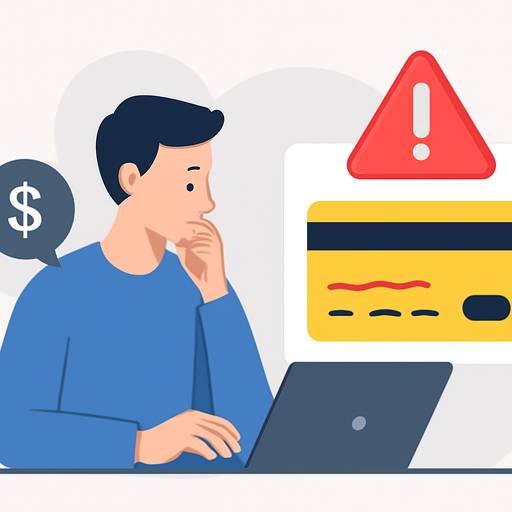
Searches for phrases like legitimate cc shops, cc shop sites, or “best ccv buying websites” spike whenever news breaks about data breaches or leaked databases. The appeal is obvious: the false promise of quick gains or “insider” access. But the premise itself is flawed. There are no legit sites to buy cc or “authentic cc shops.” Buying or selling stolen payment data is illegal in virtually every jurisdiction, and participating—whether as a buyer, broker, or promoter—invites criminal liability, financial loss, and long-term harm.
From a legal standpoint, trading in compromised card data intersects with identity theft, fraud, computer misuse statutes, money laundering, and conspiracy laws. Prosecutors do not need a completed purchase to proceed; intent and material support can be enough. Law enforcement commonly deploys undercover operations, controlled buys, and international task forces to infiltrate and dismantle groups that traffic in stolen payment information. Those who believe they have found “dark web legit cc vendors” often discover they’ve actually stepped into a tightly monitored trap.
Ethically, the harm is profound. Stolen card data is tied to real people and real businesses. The downstream damage includes frozen accounts, declined payments at critical moments, wrongful debt collection, false identity records, and years of credit rehabilitation. Merchants face chargebacks, higher processing fees, and reputational loss. The ripple effects can hit small businesses hardest, turning a single breach into a near-existential crisis. Framing this as a marketplace of “deals” erases the very human impact.
Operationally, the entire concept of “trustworthy” or authentic cc shops is a contradiction. Markets built on theft and deception are notorious for exit scams, malware-laced “checkers,” hijacked escrow, and insider leaks. Buyers are frequently doxed or extorted. Many “vendors” harvest more than money; they lift device fingerprints, passwords, and personal identifiers from would-be customers. Even seasoned cybercriminals warn that most “best sites to buy ccs” are simply elaborate frauds that prey on the reckless and inexperienced. In a realm where every participant is incentivized to lie, the only certainty is risk.
Inside the illicit carding economy: high-level anatomy and takedown lessons
Understanding why claims of “legit” vendors are myths requires a look—at a safe, high level—into how this criminal economy works. Stolen payment data enters the black market through multiple feeder channels: compromised point-of-sale systems, skimmers placed on pumps or ATMs, phishing kits and malware that harvest credentials, data breaches at retailers or processors, and account takeovers of e-commerce platforms. From there, it’s bundled, tagged, and trafficked in “dumps” or “fullz,” often advertised with exaggerated “freshness” claims and bogus refund policies designed to lure novices.
Distribution flows through invite-only forums, disposable marketplaces, and copycat sites that spring up after takedowns. Automation, such as scripted “checkers,” is wielded to test whether card data still authorizes transactions—yet those very tools routinely exfiltrate more information from users than they provide. Around the data trade grows a secondary layer: money-mule recruitment, “drops” for goods reshipping, and social media channels promoting fraudulent “refund” services. Each node is unstable by design, with reputation systems that are easily gamed and escrow mechanisms frequently exploited.
Real-world cases show how fragile and dangerous this ecosystem is. Large shops have imploded unexpectedly, taking both criminal proceeds and buyer funds with them. International operations by law enforcement have seized backend servers, captured transaction logs, and mapped entire supplier-buyer networks—sometimes for months—before arrests were announced. Publicized disruptions have targeted well-known marketplaces and data-broker services, undercutting the narrative that these networks are beyond reach. In one prominent incident, a massive trove from a major card shop leaked, exposing millions of compromised cards and identities, and providing investigators fresh leads. These events demonstrate a pattern: when the product is stolen and the platform is criminal, “business continuity” is a mirage.
Beyond takedowns, the economics themselves counter the notion of “authenticity.” Oversupply after headline breaches floods markets with low-quality data, and aggressive competition spawns clones, spoof sites, and phishing pages aimed at criminals themselves. The rise-and-fall cycle is relentless: brief windows of activity, abrupt closures, and repeat branding under new domains. In this churn, anyone seeking “legitimate cc shops” becomes fuel for other scams—paying for goods that either don’t exist, don’t work, or are booby-trapped with spyware designed to steal even more.
Legal, safe alternatives: protecting payments, preventing fraud, and reducing exposure
Instead of chasing the illusion of legit sites to buy cc, individuals and organizations can channel that curiosity into practical defenses. For consumers, start with layered payment hygiene. Use card-on-file sparingly, enable transaction alerts, and review statements weekly. Where available, prefer tokenized wallets and virtual card numbers that limit merchant-specific exposure. Turn on 3-D Secure or step-up verification when offered. Freeze your credit proactively with the major bureaus and create recovery PINs; unfreeze only when you need to open new credit. For password security, rely on a reputable manager and enable multi-factor authentication on banks, email, and shopping accounts to thwart account takeovers that can lead to payment abuse.
Rapid response matters. If you spot suspicious activity, contact your issuer immediately to trigger card reissuance and dispute procedures, and file an identity theft report if personal information was involved. Keep a written timeline, save confirmation numbers, and monitor for follow-on fraud (for example, new-account openings or SIM swap attempts). Consider identity monitoring services provided free by breached organizations, but evaluate them critically; monitoring is a supplement, not a shield.
For merchants and fintechs, the focus should be on systemic resilience. Align with PCI DSS 4.0 and beyond the minimums: tokenize card data, implement point-to-point encryption, and minimize the data you store. Segment payment infrastructure, enforce least-privilege access, require phishing-resistant MFA, and maintain rigorous logging with anomaly detection. Adopt secure-by-default development practices and continuous testing—static analysis, dependency scanning, and regular third-party assessments. Train staff to recognize social engineering that targets payment flows (e.g., refund fraud, support-channel manipulation), and institute strong change-control to prevent skimmer deployment or malicious code injections into e-commerce templates.
Fraud prevention is a team sport. Use layered signals—device fingerprinting with privacy-respectful methods, velocity checks, geolocation reasonability, and behavioral analytics—to detect card testing patterns and mule activity. Calibrate chargeback representment processes and collaborate with issuers to share indicators. Vet vendors for secure SDKs and transparent incident response. Consider managed dark-web monitoring via reputable security providers to identify leaked merchant credentials or exposed API keys without engaging directly with illicit markets. Most importantly, prepare for the inevitable: a tested incident response plan that spells out containment, customer notification, regulator engagement, and post-incident hardening. Organizations that rehearse this playbook reduce impact and restore trust faster.
The bottom line is simple: there are no dark web legit cc vendors, no “best sites to buy ccs,” and no shortcut that avoids legal and ethical consequences. What does exist are effective, legal strategies to safeguard data, detect threats early, and minimize harm. Direct your energy there—where it can protect you, your customers, and the broader digital economy.