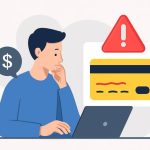
Understanding Carding Websites: The Dark Web’s Digital Marketplace
Carding websites operate as clandestine digital bazaars where stolen financial data—primarily credit card numbers, CVV codes, and personally identifiable information—is bought, sold, and traded. These platforms have evolved from obscure Internet Relay Chat rooms into sophisticated, Tor-hidden marketplaces that mirror legitimate e-commerce sites in design and functionality. When people search for the best carding websites, they are often looking for platforms that combine a large inventory of fresh, high-validity dumps with robust security measures that shield both buyers and sellers from law enforcement scrutiny. Understanding how these marketplaces function is crucial for anyone researching the cybercriminal ecosystem, whether out of professional curiosity, academic interest, or the need to protect themselves from fraud.
At their core, carding websites function as intermediaries. They connect “carders”—individuals who use stolen card data for unauthorized purchases or resale—with “vendors” who supply the data. The inventory typically includes skimmed magnetic stripe data (tracks 1 and 2), fullz (complete identity packages with name, address, SSN, and financial details), and RDP or SOCKS proxy access that allows fraudsters to mimic the cardholder’s geographic location. High-tier platforms differentiate themselves by offering real-time checking services that verify whether a card is still active, refund policies that replace dead cards, and tiered membership levels that unlock access to more premium batches. The relentless demand for this information fuels a multi-billion-dollar underground economy that financial institutions, cybersecurity firms, and global law enforcement agencies struggle to contain.
The technological backbone of the best carding websites relies heavily on anonymity networks like Tor and I2P, which obfuscate user IP addresses and make server locations nearly impossible to trace. Many of these sites enforce mandatory PGP encryption for all communications and offer multi-signature cryptocurrency escrow—introducing a third-party arbitrator to hold funds until the buyer confirms the product is valid. This escrow system has become a hallmark of reputable marketplaces, mirroring the trust mechanisms found on darknet markets for drugs or weapons. Additionally, the user rating systems, forum-based vendor reviews, and dispute resolution centers create a fragile ecosystem of trust in an inherently untrustworthy environment. Without these features, a carding website quickly loses credibility and is marked as a potential scam or honeypot, illustrating why the search for a reliable source remains so critical for those entrenched in this underworld.
What Separates the Best Carding Websites from the Rest: Security, Anonymity, and Trust Signals
Not all carding platforms are created equal, and the gap between a top-tier operation and a hastily assembled scam site can mean the difference between a successful transaction and a total loss of funds—or worse, arrest. The best carding websites invest heavily in technical fortifications that go far beyond a simple Tor-based login page. They implement mandatory two-factor authentication using PGP keys or hardware tokens, enforce encrypted wallets for cryptocurrency payments, and use sophisticated anti-phishing measures that display unique, user-defined login phrases to thwart imitation pages. These layers of defense are not just marketing gimmicks; they are survival mechanisms in a world where rival marketplaces, opportunistic hackers, and federal agents are constantly attempting to infiltrate or seize control. For anyone evaluating a platform, the presence of a long, unblemished track record—often measured in years—is the strongest indicator of stability and provider competence.
Vendor vetting is another crucial separator. The most respected carding websites employ a rigorous application process for sellers, requiring them to submit a substantial security deposit, furnish verifiable proof of previous successful sales on other markets, and undergo a trial period during which every batch is manually tested by the site’s staff. This curated approach drastically reduces the number of “rippers” and ensures that the data being peddled is not only valid but also region-specific, fresh, and formatted correctly for tools like X2 EMV software or card printers. Users who frequent these elite marketplaces often point to the consistency of bin ranges (the first six digits that identify the issuing bank) and the availability of non-recycled “packs” as proof of a vendor’s direct tap into a physical skimming operation or a database breach. When comparing multiple platforms, consulting a resource that aggregates and reviews these features, such as best carding websites, becomes an indispensable step for making an informed decision and filtering out the noise.
Beyond vendor quality, the user experience on premier carding sites mimics that of modern e-commerce. Advanced search filters allow carders to sort products by country, bank name, card type (credit, debit, corporate), balance range, and even the type of skimmer used. Real-time stock counters and automated checkout systems create a deceptive sense of normalcy, while integrated checkers let the buyer instantly validate small samples before completing a bulk purchase. Perhaps the most telling trust signal is the presence of a dedicated, multi-language support team that resolves disputes, provides OPSEC guidance, and maintains an active presence on related underground forums. The best platforms foster an entire community around their brand, offering tutorials, tools, and escrow services that extend beyond a simple storefront. This ecosystem approach makes them extremely sticky, which is why established names endure even as smaller, shoddier sites get seized or exit-scam within weeks of launch.
Navigating Legal and Cybersecurity Risks While Exploring Carding Websites
Any interaction with carding websites carries profound legal and personal risk, regardless of the user’s intent. In the United States, the Computer Fraud and Abuse Act and the Identity Theft and Assumption Deterrence Act impose severe penalties—often decades in prison—for trafficking in unauthorized access devices or possessing stolen financial data. Similar legislation exists globally through frameworks like the Budapest Convention on Cybercrime, enabling cross-border operations that have dismantled large networks. Even browsing a carding marketplace without a clear criminal purpose can draw the attention of law enforcement agents who monitor these sites, run controlled buys, and sometimes operate the very platforms that users believe to be secure. The best carding websites may implement strong encryption and OpSec, but no fortress is impervious; single lines of malicious JavaScript code injected by a compromised admin have historically de-anonymized thousands of users in targeted takedowns.
The cybersecurity dangers are equally daunting. Many so-called carding sites are, in reality, elaborate phishing traps designed to steal login credentials, private keys, or cryptocurrency directly from visitors’ wallets. Others distribute malware-laced “checker” tools that covertly harvest victims’ own bank details and personal files. A user who fails to verify a site’s PGP key or trust a mirror link shared on an unverified forum can easily end up on a clone page run by a rival gang or investigative agency. This is why veteran participants obsess over onion address authenticity, insist on multi-signature escrow for every transaction, and maintain air-gapped, dedicated hardware for any activity connected to these platforms. The concept of a “secure” carding site is ultimately a contradiction, yet the demand for a curated list of lower-risk, established addresses persists precisely because the consequences of landing on a fake are so catastrophic.
For those who are researching this realm for defensive purposes—such as fraud analysts, cybersecurity professionals, or journalists—the same precautions apply. Using a dedicated research environment with a whonified gateway, never sharing real personal details, and keeping a strict separation between professional identity and research aliases are non-negotiable. Even passive observation should be conducted under the assumption that every keystroke is being logged. While resources that compile ratings of the best carding websites can offer a snapshot of the current landscape, they must be approached with extreme skepticism; many “top lists” are seeded by the site owners themselves to drive traffic to honeypots. The underground economy thrives on opacity and deception, and no amount of online research can fully insulate an individual from the legal, financial, and psychological fallout that inevitably follows when the line between observation and participation blurs.