

The daily reality of caregiving often involves repetitive, physically demanding transfers that strain both the patient and the caregiver. Moving an individual from a seated position to a standing one, even for a few seconds, can be a high-risk maneuver when performed manually. This is where the sit-to-stand lift becomes an indispensable piece of equipment. Unlike a full-body sling lift, a sit-to-stand device is designed for individuals who possess some weight-bearing ability and can actively participate in the transfer. These patients have enough strength in their legs and core to support a portion of their own weight, but they lack the stability, balance, or stamina to stand unaided. The lift bridges this gap, providing a secure anchor point for the patient to pull up from while the caregiver manages the machine with minimal physical effort. When searching for a sit to stand lift for sale, it is crucial to understand that you are investing in more than just a tool for moving someone; you are investing in a system that preserves the patient's dignity, encourages their active participation in therapy, and drastically reduces the cumulative trauma injuries that plague healthcare workers.
These devices work on a simple but effective principle of biomechanical leverage. The patient sits on a padded sling or hammock-like seat that is attached to a lifting arm. With a handgrip or support bar in front of them, they can push with their legs to stand, while the lift provides the final push to bring them to a full, stable upright position. The caregiver only needs to operate the controls—often a hand-held pendant or button—and guide the base of the lift. This process is fundamentally different from dragging a patient up from a chair, which can cause skin shearing, shoulder injuries, and immense anxiety for the patient. For care facilities and home health providers, finding a reliable sit to stand lift for sale is a direct investment in risk management. It prevents workers' compensation claims related to back injuries and falls, which are among the most common and costly incidents in long-term care. Furthermore, for the patient, the act of standing is a crucial therapeutic exercise. It maintains bone density, improves circulation, aids digestion, and prevents muscle atrophy. The lift becomes a gateway to mobility, not a symbol of dependence.
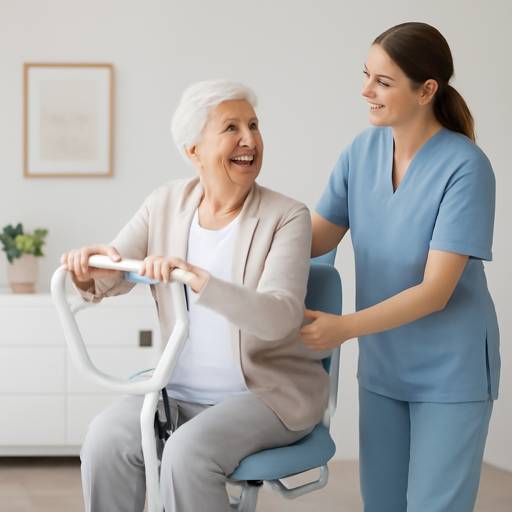
Understanding the Mechanism and Benefits of a Sit-to-Stand Lift
To fully appreciate the value of a sit to stand lift for sale, one must dissect the mechanics that differentiate it from other patient transfer equipment. The core components include a sturdy, wheeled base; a vertical mast; a lifting arm; and a patient support device, which is typically a sling or a padded vest. The base is designed to slide under a bed or chair, with legs that can be opened or closed to straddle the furniture. This design minimizes the need to move the patient over a long distance. Once the base is in position and the patient is secured in the sling, the lift uses a hydraulic, battery-powered, or screw-driven actuator to raise the arm. The angle of pull is critical; it is vertical, encouraging the patient to stand up straight rather than being pulled forward. This reduces strain on the patient's shoulders and lower back. Many modern units also feature a knee pad or shin pad. This pad provides a gentle forward-stop, preventing the patient from sliding out of the sling as they stand. It also gives them a tactile point of reference, which is psychologically reassuring.
The benefits extend far beyond simple transfer mechanics. One of the most significant advantages of using a sit-to-stand lift is the reduction of caregiver strain. Studies have shown that even a single manual patient transfer can exceed the recommended safe lifting force for a single person. Over time, these repeated micro-traumas lead to debilitating back pain and career-ending injuries. By offloading the heavy lifting to a machine, the caregiver becomes a facilitator rather than a hauler. This preserves their physical health and extends their ability to work. Additionally, these lifts promote what is known as patient-centered care. The patient is not a passive object being moved; they are an active participant. This can dramatically improve their confidence and willingness to engage with mobility tasks. For individuals recovering from hip surgery, stroke, or general deconditioning, the consistent, safe practice of standing with support is vital for neuroplasticity and muscle re-education. When evaluating a sit to stand lift for sale, look for features like a wide base for stability, a comfortable and easy-to-clean sling, and a battery life that supports a full shift of use. The integration of these mechanical and human factors is what transforms a simple piece of equipment into a powerful rehabilitation tool.
Key Features to Evaluate When Purchasing a Sit-to-Stand Lift
Selecting the right model from the myriad of options available for a sit to stand lift for sale requires a careful evaluation of specific features that directly impact safety, usability, and longevity. The weight capacity is the first and most critical specification. Most standard sit-to-stand lifts handle weights from 300 to 500 pounds, but it is essential to choose a unit that comfortably exceeds the maximum patient weight you anticipate handling. Operating near the upper limit consistently puts stress on the mechanical components and reduces the safety margin. Next, consider the base width and spread. A lift with a wider base offers greater stability, especially when transferring a heavier patient. Look for a chassis with a power-open or manual lever system that widens the base legs once they are positioned under the bed. This prevents the base from hitting furniture legs during maneuvering but provides a wide, stable stance during the actual lift. The wheel quality is another often-overlooked factor. Large, swiveling casters with locking brakes are essential. They allow the lift to be rolled over thresholds and thick carpet without jolting the patient. Some high-end models offer powered wheel drive, which eliminates the need for a caregiver to push the entire weight of the patient and lift.

